Hybrid Battery Overheating: Causes, Symptoms & Solutions
Your hybrid battery is built to last, but it has one major enemy: heat. When a hybrid battery overheats, it doesn’t just affect performance; it can shorten your battery’s lifespan and lead to expensive repairs if left unchecked.
The good news? Most overheating issues are preventable, and many can be fixed without replacing the entire battery. This guide explains why hybrid batteries overheat, how to spot the warning signs early, and what you can do to protect your Toyota or Lexus hybrid.
Why Do Hybrid Batteries Overheat?
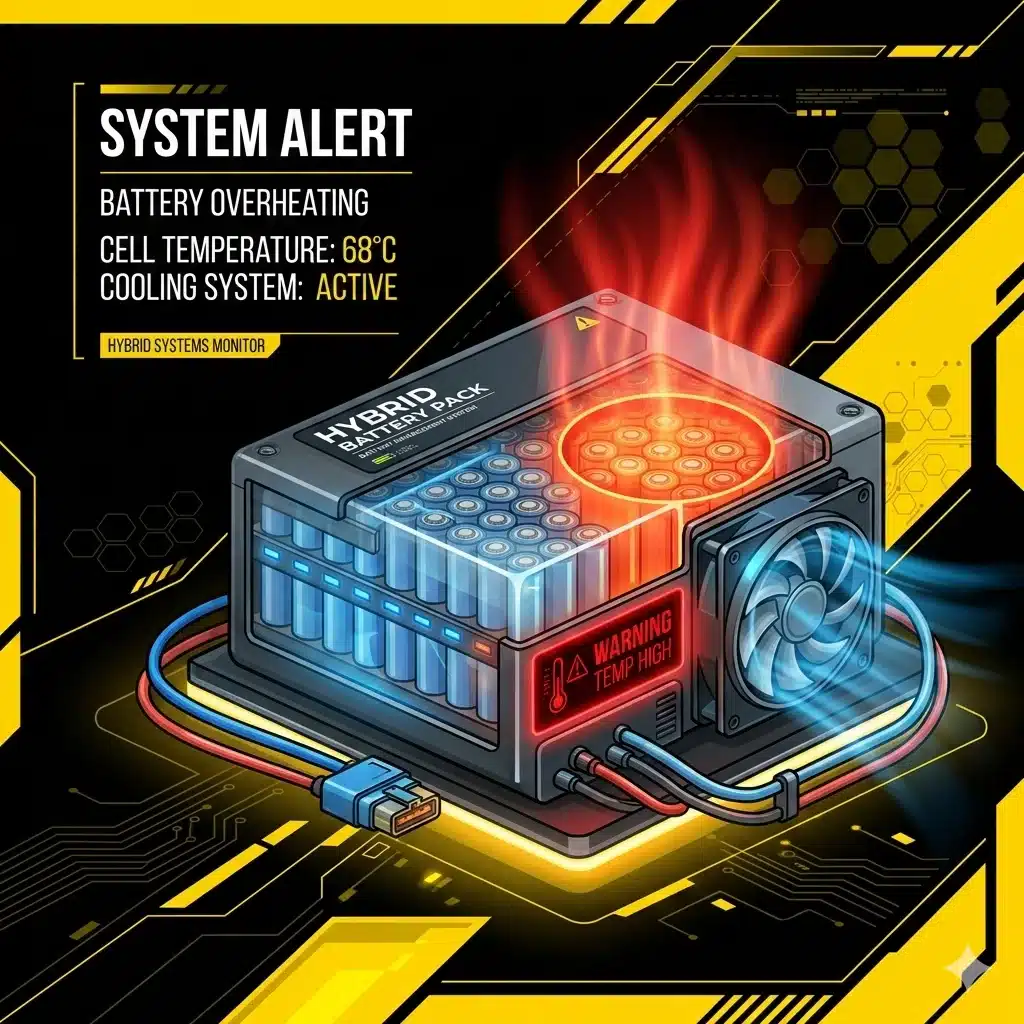
Hybrid batteries generate heat every time they charge and discharge, which happens constantly while you drive. Your vehicle has a dedicated cooling system to manage this heat, but when something goes wrong with that system, temperatures can climb into the danger zone.
Here are the most common causes of hybrid battery overheating:
1. Clogged Cooling Fan or Filter
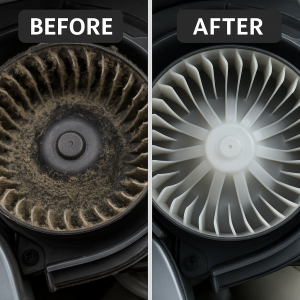
This is the number one cause of overheating in Toyota and Lexus hybrids. The battery cooling fan draws air from inside your cabin to keep the battery cool. Over time, dust, lint, pet hair, and debris accumulate on the fan and filter, restricting airflow.
When airflow is blocked, the battery can’t dissipate heat properly. In Australian conditions, especially dusty rural areas or homes with pets, filters can clog much faster than expected.
2. Failed or Weak Cooling Fan Motor
The cooling fan motor can wear out over time, especially if it’s been working overtime due to clogged filters. When the fan motor fails or runs at reduced speed, the battery doesn’t receive adequate cooling, causing temperatures to spike.
3. Blocked Air Vents
The air intake vent for the battery cooling system is typically located near the rear seat (often on the passenger side). Items like blankets, bags, child seats, or even loose seat covers can block this vent without you realizing it.
4. Australian Heat and Climate
Australia’s hot summers put extra stress on hybrid battery cooling systems. When ambient temperatures exceed 35°C, your cooling system has to work harder to maintain safe battery temperatures. Parking in direct sunlight compounds this problem significantly.
5. Coolant Issues (Liquid-Cooled Systems)
Some newer hybrids use liquid cooling for the battery and inverter. Low coolant levels, leaks, or a failing coolant pump can cause the system to overheat. If you notice a sweet smell or see fluid under your car, have it checked immediately.
6. Degraded Battery Cells
As hybrid batteries age, weak or failing cells can generate more heat than healthy ones during charge cycles. This creates hot spots within the battery pack that the cooling system struggles to manage.
Warning Signs of Hybrid Battery Overheating
Catching overheating early can save your battery from permanent damage. Watch for these symptoms:
Dashboard Warning Lights and Messages
- “Check Hybrid System” warning: This is often the first alert that something is wrong with your hybrid system, including overheating.
- “Cooling Performance of Hybrid Battery is Low”: A direct warning that the cooling system isn’t keeping up.
- Red triangle warning light: On Toyota and Lexus models, this indicates a serious hybrid system fault that needs immediate attention.
- Battery temperature warning: Some models display specific overheating alerts.
Unusual Cooling Fan Behaviour
- Loud or constantly running fan: If you hear the cooling fan running at high speed all the time, especially from the rear of the car, the system is working overtime to cool an overheating battery.
- Fan not running at all: If the fan has failed, you won’t hear it even when the car has been running for a while.
Performance Issues
- Reduced power: The car may limit hybrid system output to protect the battery from further heat damage.
- Decreased fuel economy: An overheating battery operates less efficiently, forcing the petrol engine to work harder.
- Erratic battery charge display: The state-of-charge meter may fluctuate rapidly as overheating cells struggle to hold charge.
Physical Signs
- Unusual smells: A burning or electrical smell from the rear of the vehicle warrants immediate investigation.
- Heat from the rear: Excessive warmth near the battery location (usually under or behind the rear seats) can indicate overheating.
If you experience multiple symptoms or see warning lights, reduce your driving and have the vehicle inspected as soon as possible.
The Dangers of Ignoring Overheating
Continuing to drive with an overheating hybrid battery can lead to serious consequences:
- Accelerated cell degradation: Heat destroys battery cells faster than anything else, potentially cutting years off your battery’s lifespan.
- Complete battery failure: Severe overheating can cause irreversible damage, requiring full battery replacement.
- Damage to other components: The inverter and other hybrid components can be damaged by excessive heat, adding thousands to repair costs.
- Vehicle shutdown: As a safety measure, your car may shut down the hybrid system entirely, leaving you stranded.
- Safety risks: In extreme cases, severely overheated batteries pose fire risks.
This is a particular concern for vehicles like the Lexus RX450h, where cooling system issues are among the top 10 common problems owners face.
Solutions for Hybrid Battery Overheating
The right solution depends on what’s causing the overheating. Here’s how to address each issue:
Clean the Cooling Fan and Filter
This is the simplest and most cost-effective fix. Toyota recommends inspecting the battery cooling filter every 5,000 miles and performing a full cleaning every 20,000 miles. In Australian conditions, especially dusty areas, more frequent cleaning may be needed.
What’s involved:
- Removing and cleaning the intake filter (often located near the rear seat)
- Cleaning the fan blades and housing
- Clearing debris from air ducts
Cost: $50–$150 at a specialist, or free if you DIY (though professional cleaning is more thorough)
Replace the Cooling Fan Motor
If cleaning doesn’t solve the problem and the fan isn’t running properly, the motor may need replacement.
Cost: $100–$500, depending on model and labour
Clear Air Vent Blockages
Check that nothing is blocking the air intake near your rear seats. Remove any items, ensure seat covers aren’t covering vents, and keep the rear footwell clear. This fix costs nothing but can prevent serious overheating.
Address Coolant System Issues
For vehicles with liquid-cooled systems, ensure coolant levels are correct, and there are no leaks. A faulty coolant pump may need replacement.
Cost: $150–$800, depending on the repair needed
Battery Reconditioning or Cell Replacement
If overheating is caused by degraded cells, reconditioning the battery or replacing individual modules may restore proper function without full replacement.
Cost: $500–$1,500, depending on how many cells need attention
Full Battery Replacement
When multiple cells have failed or the battery is severely damaged from chronic overheating, full replacement may be necessary. Quality specialists offer options ranging from reconditioned batteries to OEM replacements.
Cost: $1,500–$5,500 depending on vehicle model and battery type
For Toyota owners, explore Toyota hybrid battery replacement options. Lexus owners can find Lexus hybrid battery replacement solutions tailored to their specific model.
How to Prevent Hybrid Battery Overheating
Prevention is always better (and cheaper) than repair. Follow these tips to keep your battery cool:
Regular Maintenance
- Clean the cooling filter every 6–12 months: More often if you live in dusty areas or have pets.
- Schedule professional cooling system inspections: Yearly check-ups can catch problems before they cause damage.
- Keep the cabin clean: The fan draws air from inside your car; a cleaner cabin means cleaner air reaching your battery.
Smart Parking Habits
- Park in shade whenever possible: Reducing cabin temperature reduces the load on your battery cooling system.
- Use sunshades: Keeping interior temperatures down helps the battery stay cooler.
- Avoid hot enclosed spaces: Extended parking in hot garages without ventilation increases heat stress.
Driving Habits
- Use air conditioning on hot days: A/C cools the cabin air that your battery fan draws in.
- Avoid aggressive driving: Hard acceleration generates more battery heat.
- Don’t ignore warning signs: Address any cooling warnings immediately rather than continuing to drive.
Keep Vents Clear
- Check that nothing blocks the air intake vent near the rear seat
- Ensure seat covers and cargo don’t obstruct airflow
- Keep the boot area ventilated where possible
When to See a Specialist
While some maintenance (like checking vent blockages) can be done yourself, many overheating issues require professional diagnosis. See a hybrid specialist if:
- Warning lights appear on your dashboard
- The cooling fan runs constantly at high speed
- You notice burning smells or excessive heat
- Cleaning the filter hasn’t resolved fan noise issues
- Your vehicle is experiencing performance problems alongside overheating symptoms
A qualified specialist can run diagnostic tests to identify exactly what’s causing the overheating and recommend the most cost-effective solution, whether that’s a simple repair or battery replacement.
Protect Your Hybrid Battery from Heat Damage
Hybrid battery overheating is a serious issue, but it’s also one of the most preventable problems you’ll face as a hybrid owner. Regular maintenance, smart parking habits, and prompt attention to warning signs can keep your battery running cool for years to come.
If you’re experiencing any overheating symptoms or simply want peace of mind about your battery’s health, don’t wait until minor issues become major repairs.
Contact our hybrid battery specialists today for expert diagnostics, cooling system maintenance, and professional advice on keeping your Toyota or Lexus hybrid in peak condition.